


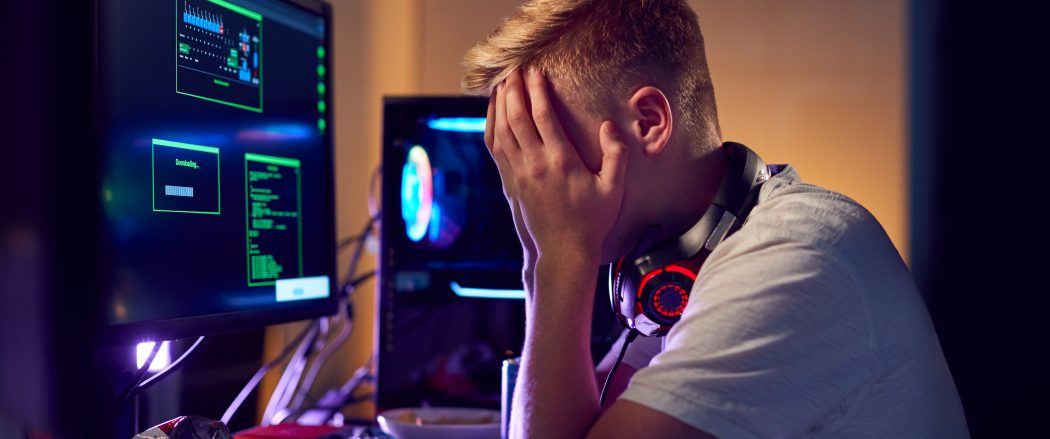
To nurture the skills of resilience is key to providing young people with the ability to cope with stress, adversity, failure and challenges. Resilience is evident when young people have a greater ability to “bounce back” when faced with difficulties and achieve positive outcomes.
Resilience empowers the individual to recognise the positives and negatives of social media and be aware of unhealthy messages and how it can affect an individual and their family/friends. Resilience enables an individual to use social media correctly and to challenge or provide support to others who don’t.
Children and young people spend increasing amounts of time online, making it essential that they understand how to use the internet safely and responsibly. Schools play an important role in helping pupils recognise both the opportunities and the risks of the online world.
Effective learning about online safety should be delivered through both PSHE and Computing, helping pupils to:
- Understand how to build safe and respectful relationships online.
- Recognise online risks and know how to respond to them.
- Use social media and digital technology responsibly.
- Balance the benefits of being online with an awareness of potential harms.
- Know where to seek help and support when something doesn’t feel right.
By developing these skills, children and young people can make informed decisions, stay safe online, and enjoy the positive opportunities that technology offers.
FOMO (fear of missing out)
FOMO is an anxiety or insecurity over the possibility of missing out on something as an event or opportunity. It is often aroused by posts seen on social media. This social anxiety is characterised by a desire to stay continually connected with what others are doing. FOMO refers to the feeling or perception that an individual may have that others are having more fun, living better lives, or experiencing better things than they are. It involves a deep sense of envy and affects self-esteem. FOMO can lead to performance anxiety and depression and can result in an individual becoming less efficient and more disconnected with others.
Source – Young Minds
By the end of primary school students should know
- That people may behave differently online and are not always who they claim to be.
- That respect, kindness, and appropriate behaviour are just as important online as they are offline.
- How to stay safe online, recognise risks, and report harmful content or contact.
- How to think critically about online friends and information sources, especially when interacting with people they have not met.
- How personal information and data can be shared and used online.
- That the internet can be a valuable tool for learning, communication, and entertainment.
- The importance of balancing screen time and understanding how online content can affect wellbeing.
- How their online behaviour can impact others and why privacy and respect matter.
- Why age restrictions exist for social media, online games, and other digital services.
- That online bullying, abuse, harassment, and trolling can have a serious impact on wellbeing.
- How information is selected, targeted, and presented online.
- Where to get help and how to report concerns about online activity.
Source: Relationships Education, Relationships and Sex Education (RSE) and Health Education Guidance (DfE).
By the end of secondary school students should
- The risks associated with sharing content online and the potential permanence of digital information.
- Not to share content they would not want distributed further and to respect the privacy of others.
- How and where to report online concerns and access support.
- The potential impact of harmful or inappropriate online content.
- That pornography can present unrealistic and unhealthy portrayals of relationships and sexual behaviour.
- That creating, sharing, or possessing indecent images of children is a criminal offence.
- How personal information and data is generated, collected, shared, and used online.
- How online experiences can influence self-esteem, body image, relationships, and decision-making.
- The risks associated with online gambling, targeted advertising, misinformation, and excessive social media use.
- How to recognise online bullying, abuse, harassment, and exploitation, and how to seek help if affected.
This knowledge helps young people navigate the online world safely, critically evaluate information, and build positive digital relationships and behavioursTheir rights, responsibilities, and expected behaviours online.
Source: Relationships Education RSE and Health Education (DfE) Relationships Education, Relationships and Sex Education and Health Education guidance (publishing.service.gov.uk)
Local Support

Cambridgeshire Personal, Social and Health Education (PSHE) Service
Cambridgeshire Personal, Social and Health Education (PSHE) Service The Cambridgeshire PSHE Service provides guidance, consultancy, training and resources to support and enhance the health and wellbeing of children and young people and their learning. This includes the curriculum for PSHE and Citizenship: its content, approaches to teaching and learning and monitoring and assessment. We also
Read More About Cambridgeshire Personal, Social and Health Education (PSHE) Service
Keep Your Head
The Cambridgeshire and Peterborough Integrated Care System (ICS) Partners have refreshed the Keep Your Head website. It continues to provide a central hub of high quality information on mental health and mental health services. It also offers tailored and age-appropriate information for children and young people, adults, professionals and schools on a wide range of
Read More About Keep Your Head