


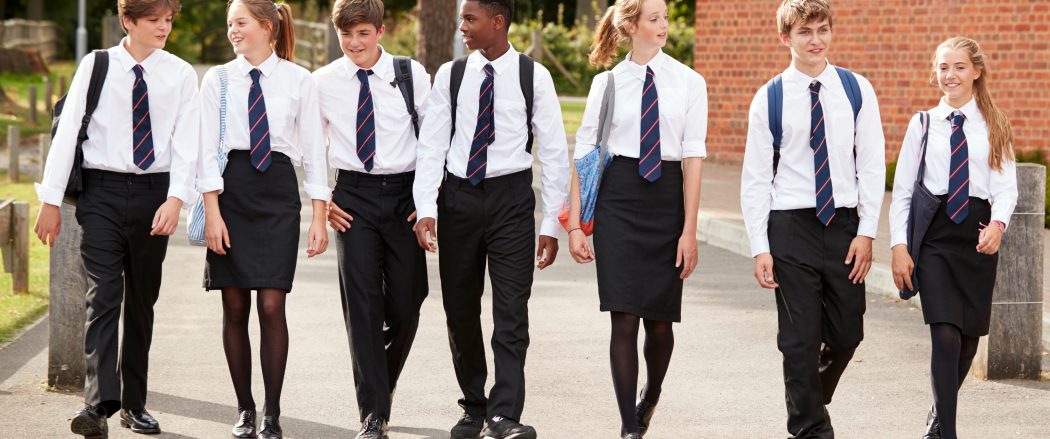
To nurture the skills of resilience is key to providing young people with the ability to cope with stress, adversity, failure and challenges. Resilience is evident when young people have a greater ability to “bounce back” when faced with difficulties and achieve positive outcomes.
Resilience empowers an individual to value the importance of self-respect and self-worth, to discriminate between acceptable and unacceptable behaviour in relationships and to know when, how and to whom to seek advice when a relationship is perceived to be unhealthy – negative, disrespectful and/or harmful.
Relationships and Sex Education (RSE) is a statutory part of the secondary curriculum and is often taught through PSHE (Personal, Social, Health and Economic Education). See this resource for more context: Relationships Education Relationships and Sex Education RSE and Health Education.pdf
RSE equips young people with the knowledge and skills to build healthy, respectful relationships, stay safe, and make informed decisions. It covers a broad range of topics, including:
- Family relationships and friendships.
- Respectful relationships and consent.
- Online relationships and media influences.
- Personal safety and safeguarding.
- Intimate and sexual relationships.
- Sexual health, puberty, and changing adolescent bodies.
The issue locally and nationally
High-quality RSE helps young people develop the knowledge, confidence, and decision-making skills needed to stay safe and thrive.
Key national findings highlight the importance of effective RSE:
- Puberty: 1 in 4 girls start their periods before learning about menstruation, while 38% of boys experience wet dreams before learning about them. Around 1 in 10 girls are unable to afford period products.
- Sexual activity: Fewer than 1 in 3 young people have sex before the age of 16, with some evidence suggesting young people are becoming sexually active later than previous generations. 12% of Cambridgeshire Year 10 pupils reported being sexually active.
- Trusted sources of information: Young people consistently identify schools, parents and carers, and health professionals as their preferred sources of information about relationships and sex.
- Teenage pregnancy: The under-18 pregnancy rate has fallen by 64% over the past 20 years. However, inequalities remain, with poor attendance, low attainment, and experience of care associated with increased risk.
- Sexually transmitted infections (STIs): Young people aged 15-24 are significantly more likely to be diagnosed with an STI than adults over 25.
- HIV: In 2019, there were 363 new sexually acquired HIV diagnoses among 15-24-year-olds in England, with 74% acquired through sex between men.
These findings highlight why schools play a vital role in providing accurate, age-appropriate information about relationships, sexual health, consent, safety, and wellbeing, helping young people make informed and responsible choices.
What is known to work
Effective RSE is delivered through a planned, age-appropriate curriculum that builds knowledge and skills over time. Learning should be sequenced across year groups, allowing pupils to revisit key themes and develop their understanding as they mature.
Research shows that effective RSE:
- Is delivered through a structured programme rather than one-off lessons.
- Provides accurate, up-to-date information.
- Develops knowledge, skills, attitudes, and values alongside factual learning.
- Is taught by confident, well-trained staff.
- Involves parents and carers as partners in learning.
- Reflects the needs and experiences of pupils.
Many schools use a combination of PSHE lessons, assemblies, tutor time, and themed enrichment days to deliver RSE. However, regular curriculum time remains important, as it gives pupils opportunities to discuss topics, develop critical thinking, and build on prior learning.
RSE is most effective when reinforced through a whole-school approach. Pupils are more likely to apply their learning when the values, behaviours, and messages taught in lessons are reflected in the wider school environment and modelled by staff.
Further reading: Relationships and sex education
Key actions for schools to take
Secondary schools are required to have a policy on RSE. Schools must consult parents in developing and reviewing their policy. Schools should ensure that the policy meets the needs of pupils and parents/carers and reflects the community they serve. The policy must be made available to parents/carers on the school’s website. Maintained schools in Cambridgeshire and Peterborough may contact the PSHE Service via email on [email protected] for a policy model and support.
Schools should also consult with parents/carers about the definition of Sex Education, taking into account the requirements of other statutory areas e.g. Science. Schools should ensure that that the right to withdraw their child from sex education is clearly communicated.
Teachers guidance
Guidance on teaching Relationships Education for Primary and Secondary Schools
Guidance for teachers on managing questions about RSE
Key principles for answering students’ questions include:
- Acknowledge the question and give the message that it is okay to ask.
- Avoid leaving the child with the impression that we are flustered, as this will reduce the likelihood of them asking questions in the future.
- Check out the context of the child’s question before answering
- Buy some time, but then make sure you get back to the child.
- Check the child understands
- Ask for guidance from a colleague.
Ensure that sharing personal information by adults, pupils or their families is discouraged. Where the question indicates the need for pastoral support, the conversation should be deferred to a time outside the teaching session and other colleagues may be involved. Where a question or comment from a pupil in the classroom indicates the possibility of abuse, coercion or exploitation, teachers must pass this information to their DSL in line with Safeguarding policy.
By the end of secondary school pupils should know
RSE in secondary will cover a range of topics, including topics related to abusive behaviour. While teaching children how to stay safe, including online, teachers should be clear that being a victim of abuse is never the fault of the child or young person.
Different forms of abuse should be addressed sensitively and clearly at appropriate ages.
For pupils who are experiencing or have experienced unhealthy or unsafe relationships, including at home, schools have an important role as a place of consistency and safety where pupils can find support.
Relationships Education, Relationships and Sex Education and Health Education guidance
HPV Vaccine Resource pack
The HPV Education Pack has been co-produced by young people and researchers from the University of Bristol and London school of Hygiene and Tropical Medicine. It is aimed at year 8 students before they have the vaccine but could support other years too. It includes lesson plans, video and activity resources and meets statutory Health Education requirements to ensure students know about:
- personal hygiene,
- germs including bacteria,
- viruses, how they spread
- treatment and prevention of infection
- antibiotics
- the facts and science relating to immunisation and vaccination.
The resource pack may be particularly useful for areas of low uptake.
Local Support

Cambridgeshire Personal, Social and Health Education (PSHE) Service
Cambridgeshire Personal, Social and Health Education (PSHE) Service The Cambridgeshire PSHE Service provides guidance, consultancy, training and resources to support and enhance the health and wellbeing of children and young people and their learning. This includes the curriculum for PSHE and Citizenship: its content, approaches to teaching and learning and monitoring and assessment. We also
Read More About Cambridgeshire Personal, Social and Health Education (PSHE) Service
Centre 33
Working with Primary and Secondary Schools Across Cambridgeshire and Peterborough Centre 33 Young Carers Project works closely with primary and secondary schools across Cambridgeshire and Peterborough to raise awareness of Young Carers and ensure that support is in place for Young Carers at your school. Centre 33 supports schools to identify a Young Carers Champion,
Read More About Centre 33
Dhiverse
Dhiverse’s mission is to provide high quality sexual health and HIV support, education and information for all. Click on the links below to find out about the full range of services available as well as to visit the website. Call:01223 508805E-mail: [email protected]
Read More About Dhiverse
Embrace Child Victims Of Crime
Helping young crime victims and witnesses recover from trauma Embrace Child Victims Of Crime is a specialist support service for young victims and witnesses to crime on behalf of the Police and Crime Commissioner for Cambridgeshire and Peterborough. The aim of the Cambridgeshire-based charity is to help children, young people, and families from all over
Read More About Embrace Child Victims Of Crime
Nessie
Nessie is commissioned by Cambridgeshire County Council to provide free support to families of children and young people who self-harm. Nessie will be offering: parent workshops across Cambridgeshire schools, in community settings and online targeted 1-1 parent support telephone and online parent support school based group support for targeted group of young people NESSie is
Read More About NessieNSPCC
Whether you’re looking for advice, or are worried about a child, the NSPCC have got a range of helplines to support you. While we understand that your school will have procedures and policies in place for safeguarding issues, we recognise that if you’re working with and supporting children and families, sometimes you might need to
Read More About NSPCC
The Conversation
The Conversation offers in person PSHE workshops covering many aspects of the PSHE curriculum including sex and relationships, mental health, self esteem and Identity and digital technology. They work with children from the beginning of primary school, right through to post-16 education across over 50 schools and colleges each year, and also offer SEND provision.
Read More About The Conversation
The Kite Trust
The Kite Trust offers tailored staff training packages for all schools and colleges on LGBTQ+ (lesbian, gay, bisexual, trans, questioning plus other related identities) inclusion and combating LGBTphobic bullying (also known as HBT – homophobic, biphobic and transphobic- bullying). We also deliver assemblies and workshops for students across the age ranges and offer support around
Read More About The Kite TrustResources
External Links
- #ASK the Awkward – Think U Know
- University of Bristol HPV Education Pack
- Cambridgeshire Learn Together
- Health for teens
- Keep your head – Relationships
- NSPCC It’s NOT OK resources
- NSPCC Promoting healthy relationships
- NSPCC Relationships for Students With Learning Disabilities 11+
- NSPCC Talk Relationships Lesson Plans
- PSHE – Friendship and bullying
- PSHE Association – Something’s Not Right’ abuse disclosure lesson plans
- PSHE NSPCC: Talk Relationships
- Survivors UK – male rape and sexual abuse support
- Teenage Relationship Abuse – Your Best Friend Project
- The internet, relationships & you – CEOP
- The Kite Trust
- The Mix Essential Support for Under25s
- Your Best Friend