


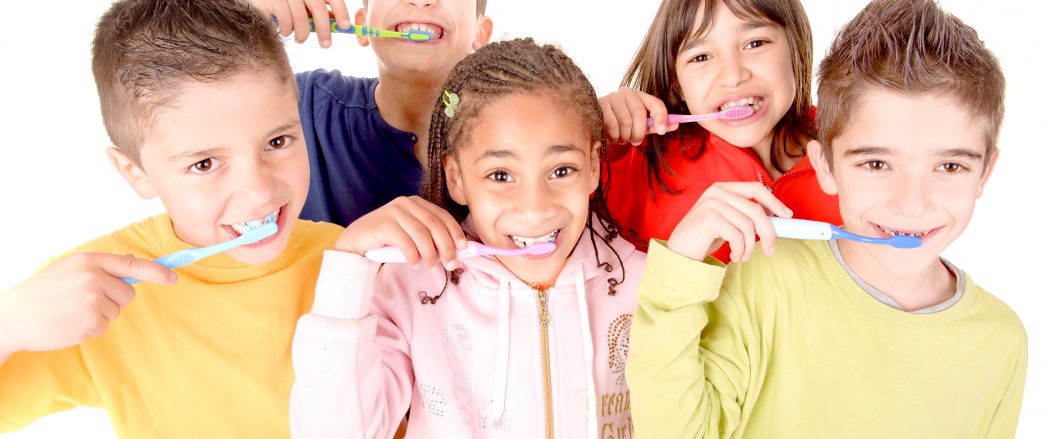
To nurture the skills of resilience is key to providing young people with the ability to cope with stress, adversity, failure and challenges. Resilience is evident when young people have a greater ability to “bounce back” when faced with difficulties and achieve positive outcomes.
Resilience is required to resist the temptation of sugary food and drinks and to pursue healthier alternatives.
If you’re looking for tips to get children engaged with how to look after their teeth, please see these resources underneath!:
CBeebies Songs | Hey Duggee | Toothbrushing Song
Hey Duggee – Series 3: 3. The Tooth Brushing Badge – BBC iPlayer
The issue locally and nationally
Dental (tooth) decay is a predominantly preventable disease. High levels of consumption of sugar-containing food and drink is also a contributory factor to other issues of public health concern in children – for example, childhood obesity. Poor oral health impacts on children and their families. It can affect a child’s ability to eat, smile and socialise and causes pain and infection with days missed at school, and parents’ work, to attend dental care.
Recent findings from the 2021/22 National Dental Epidemiology Programme (NDEP) survey [link to survey] show that levels of tooth decay in Cambridgeshire and Peterborough are significantly higher than regional and national averages:
- 29.3% of children nationally had enamel and/or dentinal decay.
- 28.7% of children across the East of England had enamel and/or dentinal decay.
- The prevalence was much higher locally, at 56.7% in Cambridgeshire and 56.4% in Peterborough, largely driven by enamel decay.
These findings highlight the importance of promoting good oral health habits from an early age, helping children develop behaviours that support lifelong health and wellbeing.
What is known to work
Raising awareness of the importance of oral health, as part of a ‘whole-school’ approach in all primary schools. Click the link to find out more: NICE Guidance on Oral Health
Introducing specific schemes to improve and protect oral health in primary schools in areas where children are at high risk of poor oral health.
Supervised tooth brushing schemes for primary schools in areas where children are at high risk of poor oral health.
Key actions for schools to take
Effective Oral Health Care education can support positive health outcomes while reducing the risks of tooth decay.
Schools should:
- Deliver age-appropriate Oral health Care education as part of a planned PSHE curriculum.
- Provide engaging sessions to create awareness of effective dental hygiene and the risks of tooth decay.
- See Awesome Oral Health for further guidance: Awesome Oral Health
By the end of KS1 pupils should be able to
- Understand how sugary drinks can affect teeth.
- Name ways to keep teeth healthy.
- Understand that eating or drinking too much sugar causes tooth decay.
By the end of KS2 pupils should be able to
- Design an experiment to show how sugary drinks can affect teeth.
- Describe ways to keep their teeth healthy.
- Understand that eating or drinking too much sugar causes tooth decay.
Local Support
Awesome Smiles Activity Stations
Awesome Smiles Activity Stations is designed to offer a whole school approach to Oral Health promotion, with free access to a digital resource pack. All primary schools throughout Cambridgeshire and Peterborough are eligible to access the circuit of activity stations to encourage all pupils from Reception to KS2 to get excited about caring for their smiles. All resources and instructions for the
Read More About Awesome Smiles Activity Stations
Raisin Awareness Project
The Raisin Awareness Project offers a whole school approach to promoting Oral Health covering many aspects as suggested in the NICE pathway Improving oral health in primary schools – NICE Pathways . The Raisin Awareness Project, set up by the not-for profit company Awesome Oral Health CIC, aims to link primary schools in Cambridgeshire and
Read More About Raisin Awareness ProjectResources
Documents
Teacher Guidance
- A Practical Guide to Childrens Teeth
- Caring for your child’s teeth
- Oral Health Early Years activities and book list
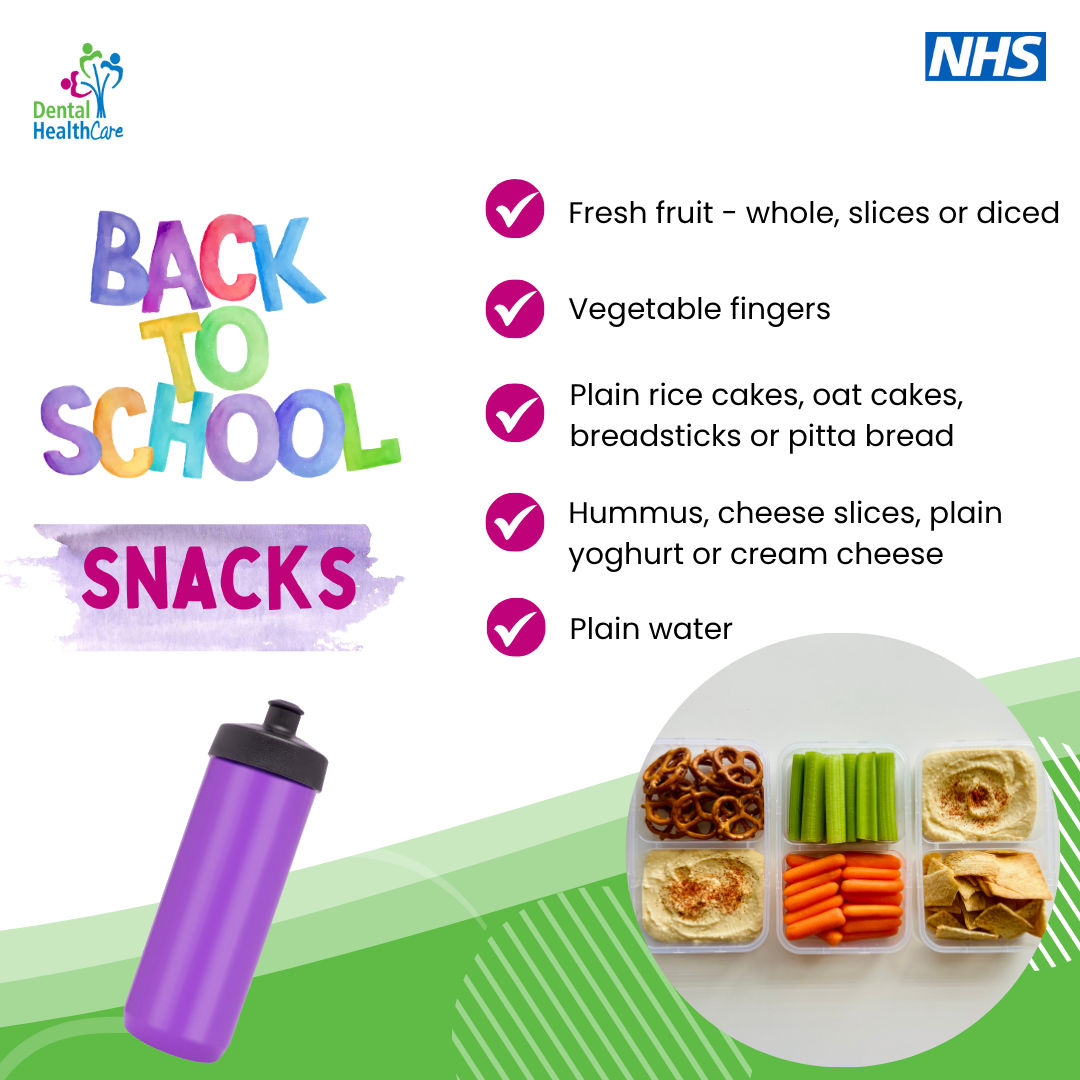
- Poster – Back to Schools Snacks
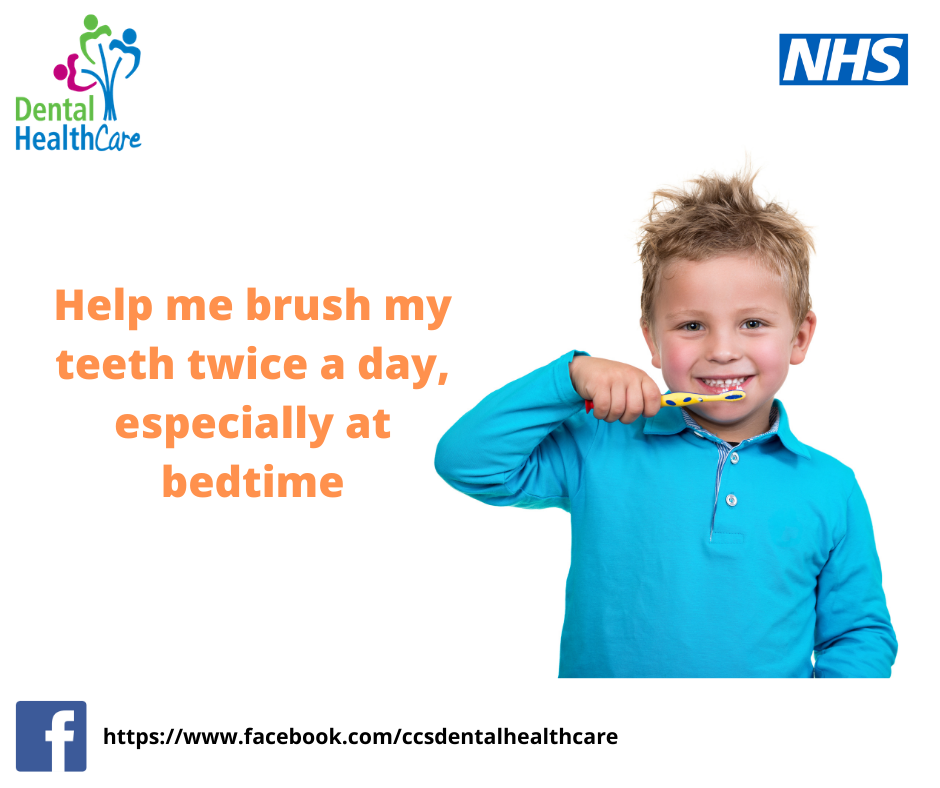
- Poster – Brush Twice a Day
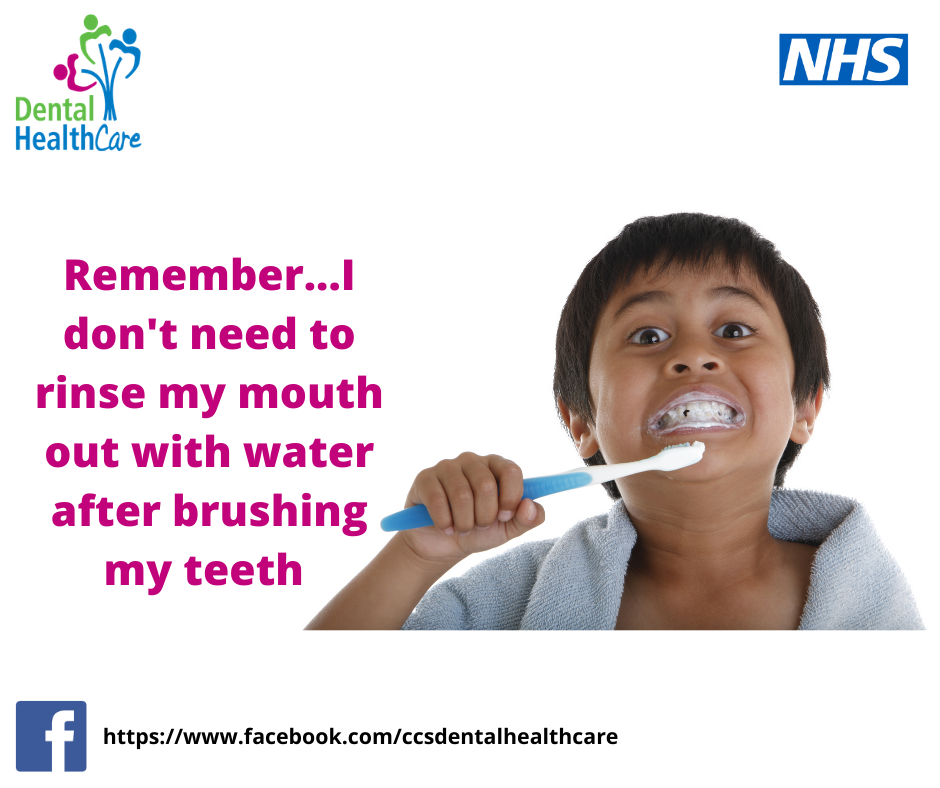
- Poster – Don’t Rinse
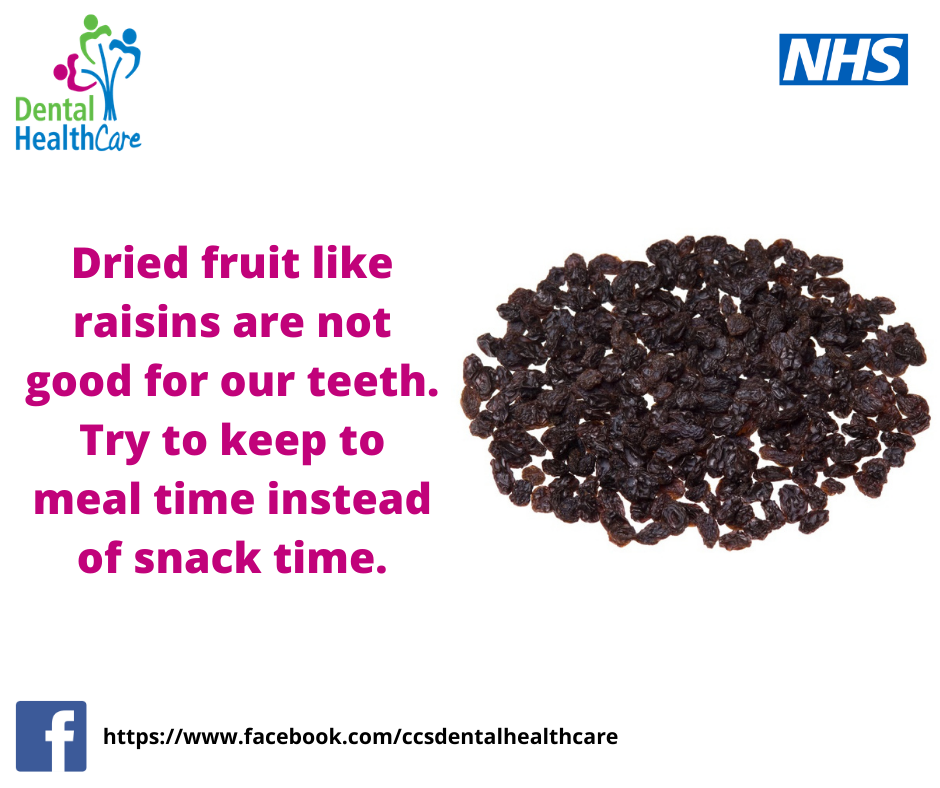
- Poster – Dried Fruit Tooth Unfriendly
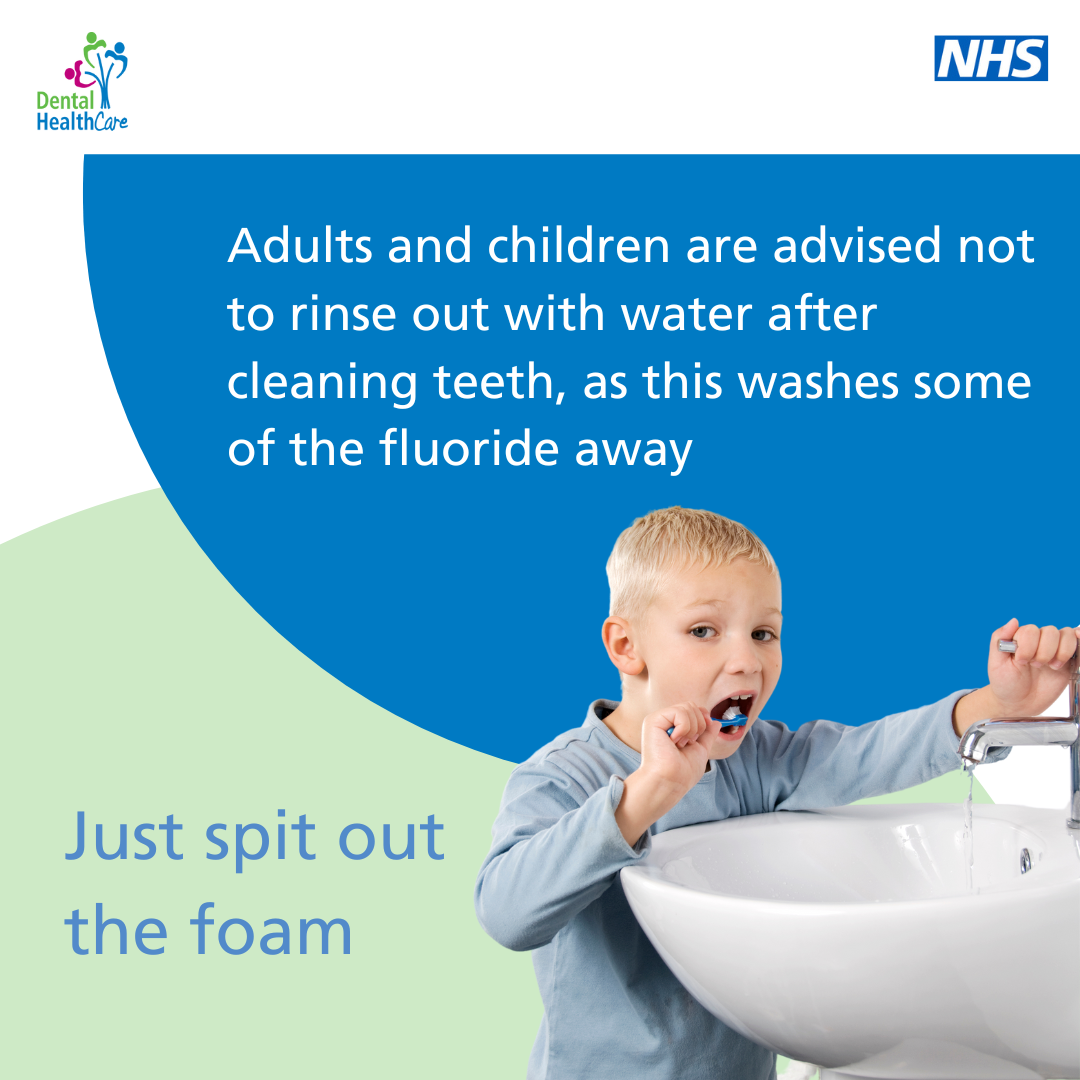
- Poster – Spit Don’t Rinse
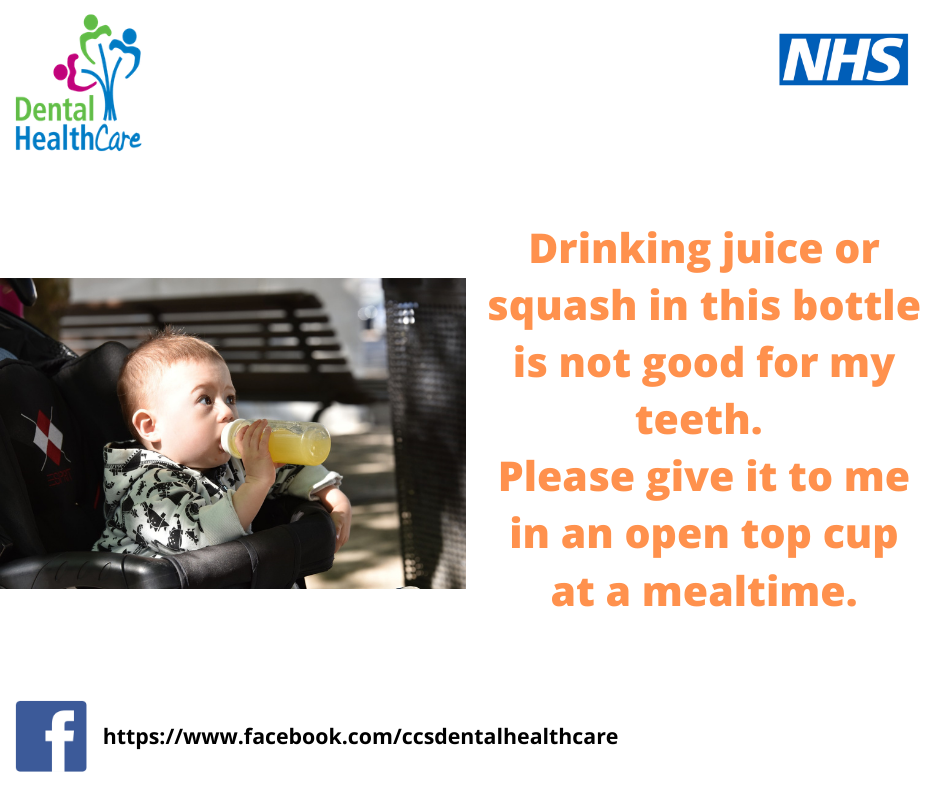
- Poster – Squash in a Bottle
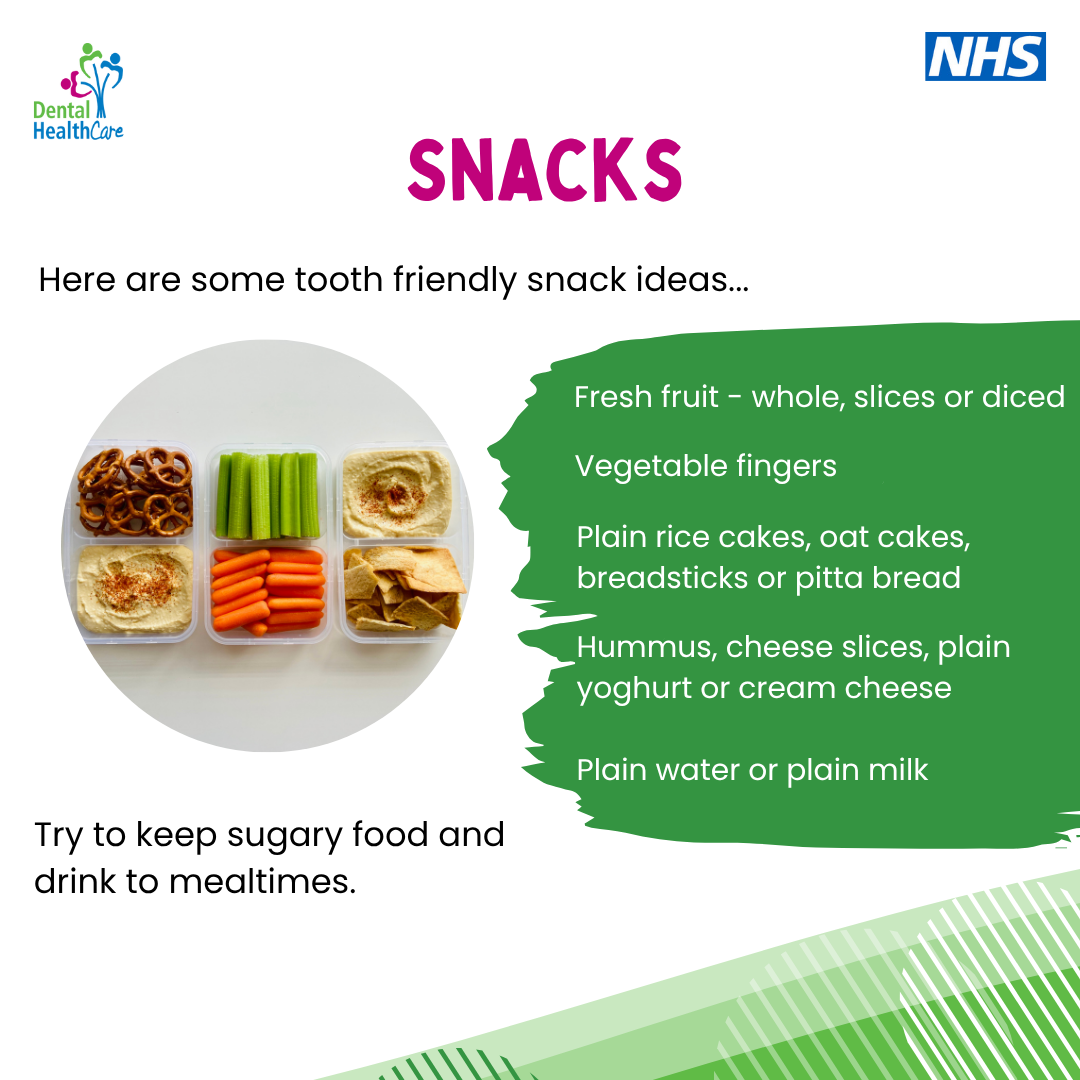
- Poster – Tooth Friendly Snacks
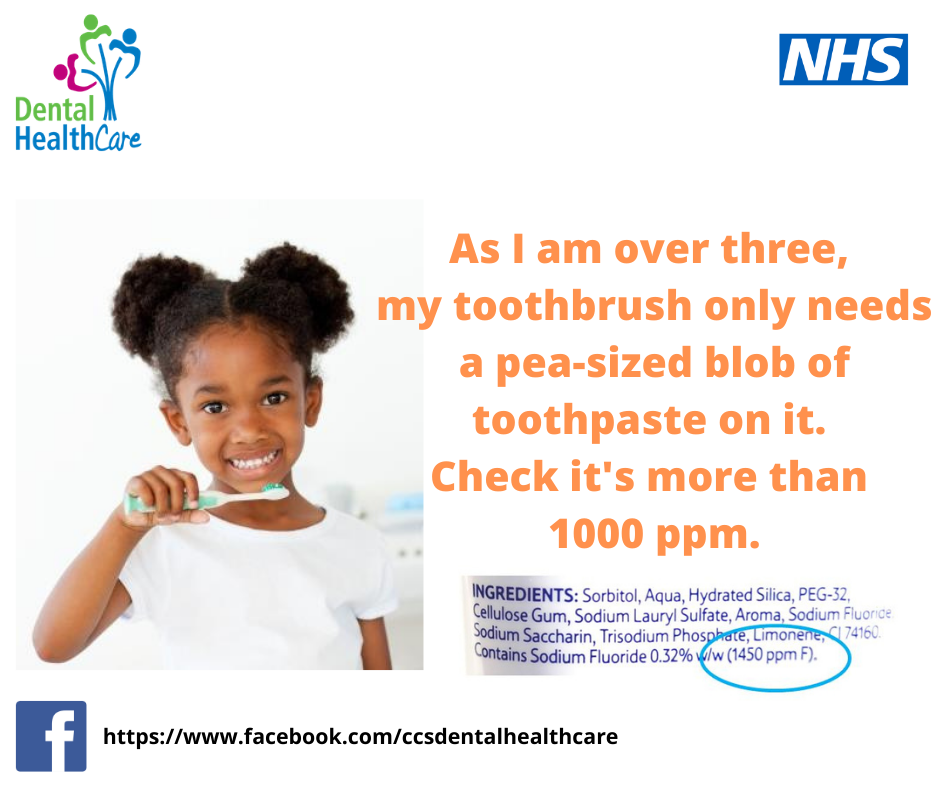
- Poster – Toothpaste over 3s
- Preventing Tooth Decay Info-graphic
- Snack and Drinks Poster
- Snack Poster My Smile
- Tooth Chart
External Links
- Better Health Start for Life, Top Tips For Teeth
- BrightBites Classroom Resources Dental Aid
- British Society of Paediatric Dentistry – downloadable leaflets
- Brush DJ
- Colgate Oral Health Education Resources
- Dental Buddy
- Dental Health – Teens Teeth
- Dental Health Care
- Dental Health Care NHS Downloads
- Dr Ranj and Super Tooth 3-6
- Dr Ranj and Super Tooth aged 7+
- Health for Teens – Oral Health
- Hey Dugee Tooth Brushing Song
- Hey Dugee Tooth Brushing Video
- My Smile Programme
- National Schools Partnerships
- Oral Health Foundation
- Oral Health Foundation Downloads and Resources
- Oral Health Improvement Team in Cambridgeshire and Peterborough
- Teeth Team